Winter training - What to Wear for Outdoor Krav
Summer is long past and current restrictions mean the park is likely to be our gym for a good while ahead of us.
We’re certainly happy to give you lots of exercises and drills to make sure you stay warm once class starts, but we, unfortunately, have little control over the weather. A few folks have asked for some guidance on what to wear for outdoor Krav classes.
While there are some people who can wear shorts and t-shirts whatever the weather (we shall refer to them, affectionately, as “the psychopaths”) there is little doubt that having the right combination of kit can make a huge difference to training outdoors. It’s the difference between being cold, wet and miserable or being comfortable enough to focus on your training and actually be able to enjoy being out in the fresh air. (Ahhh - some rain, how bracing!)
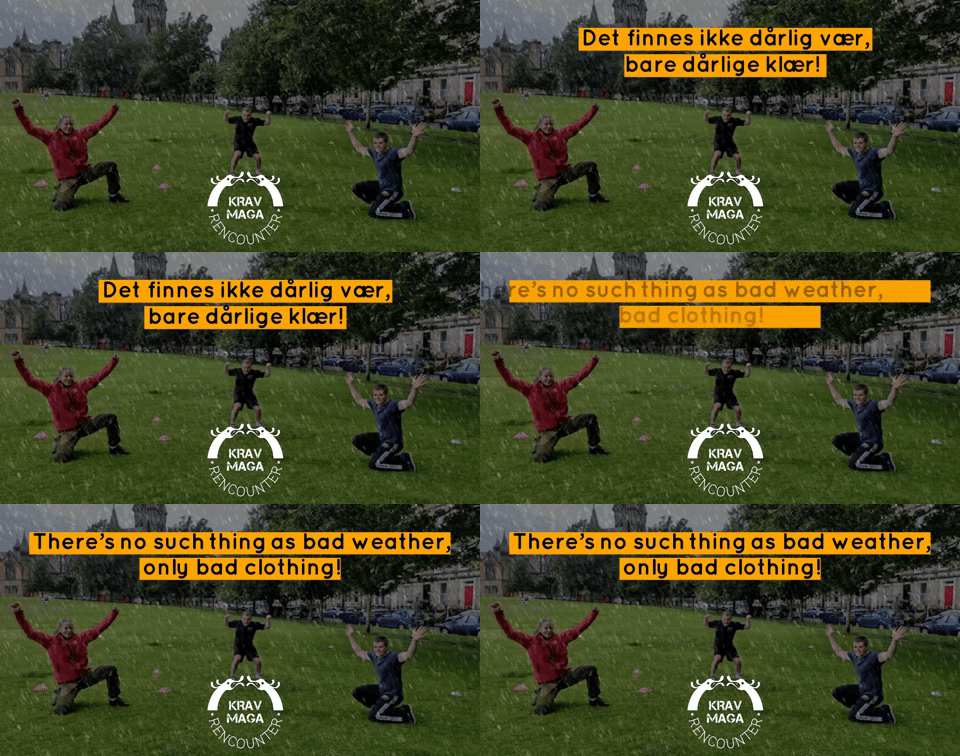
So how can we make winter outdoor training suck less?
The key concept here is LAYERS! Wearing multiple layers traps warm air between them keeping you much warmer, and you can add or remove layers, as needed, to regulate your temperature. It’s not just a matter of wearing all your warm jumpers, you still need to be able to move around!
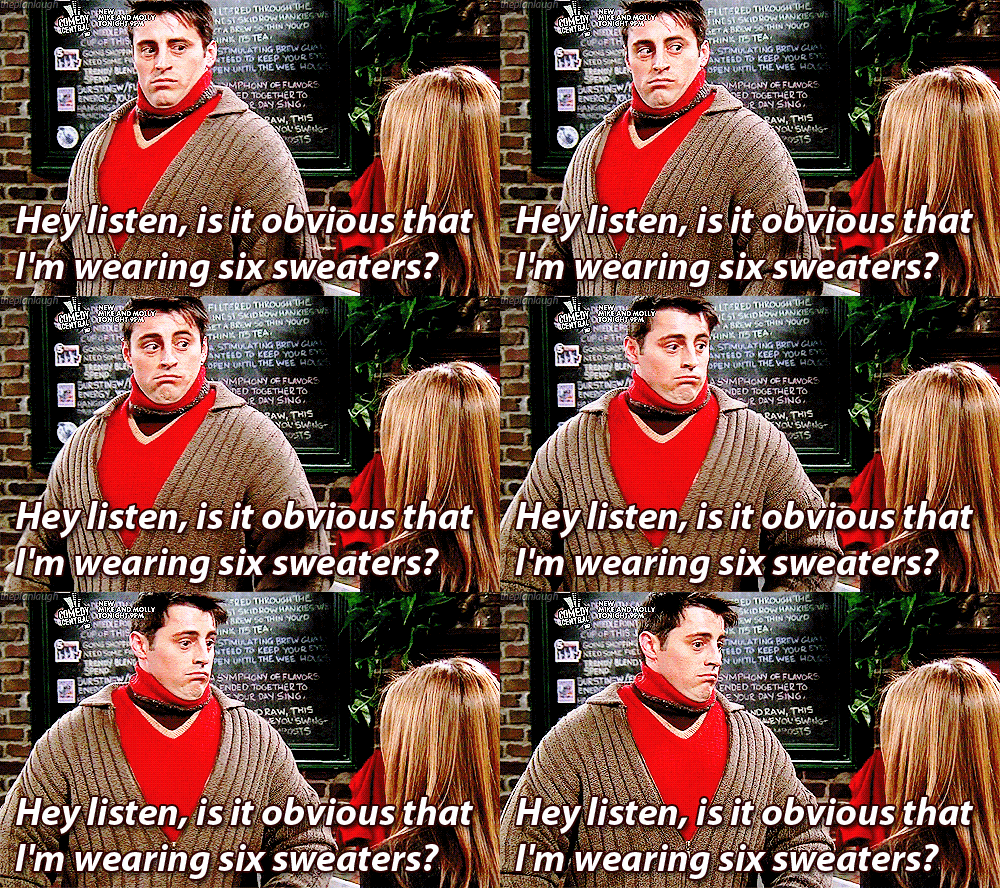
We’ll give you some suggestions below for some kit that will keep you warm, and is also practical for training. Layering up with what you already have at home is likely to do just fine unless it's really really cold. We have given some suggestions if you are looking to buy winter clothes, but this is by no means necessary.
If you think you'll spend a good bit of time outdoors and you're looking to buy some warm clothes, you don’t have to spend a lot of money - there are cheap options available. But if you really want to invest in top outdoor clothing, you can certainly do that too!
Starting from the top:
A hat and gloves
Your winter basics! A beanie or woolly hat will keep your head warm, and as your granny always tells you that’s where all the heat escapes from. Get too warm? Take your hat off. Same for gloves. Nothing fancy required.
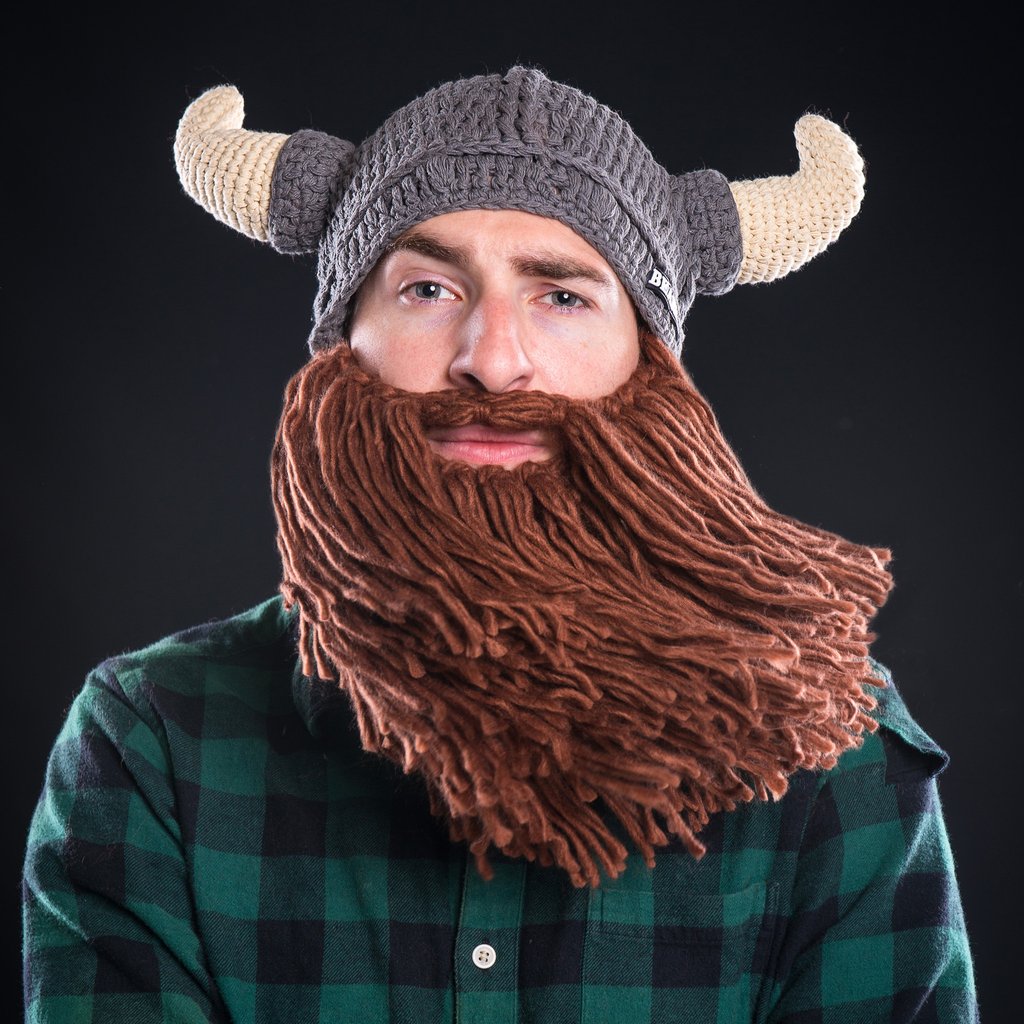
(Beard optional - but encouraged)
Baselayers
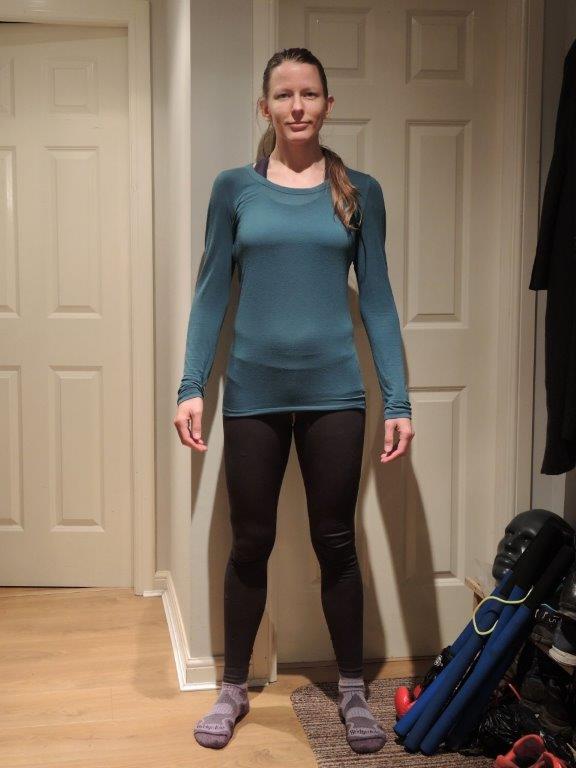
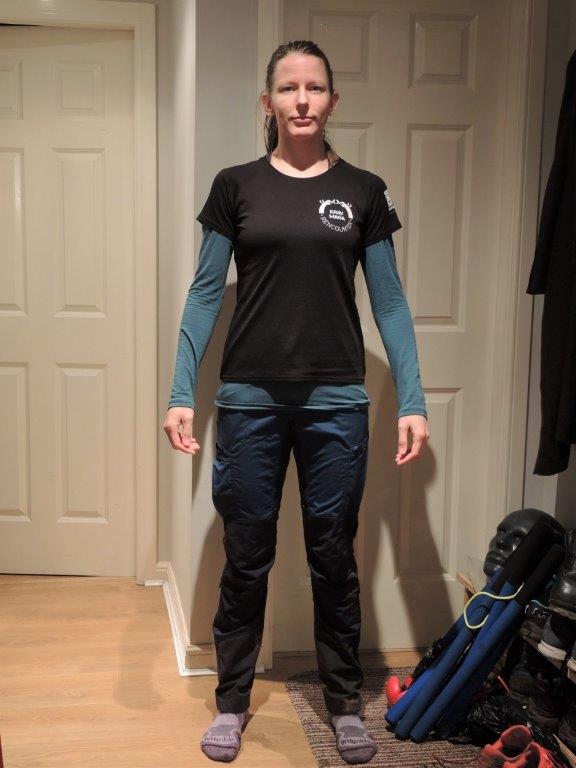
This is the essential kit that will make the biggest difference. A long sleeved thermal base-layer and thermal leggings/tights/long-johns underneath whatever you wear for training will keep you snug and cosy and importantly, will wick away any sweat from your skin (damp clothes next to your skin will only make you colder.)
Shops like Decathlon (just an example - many other stores available!) sell ski base layers starting from around a fiver, so you don’t need to spend big money to keep warm. You can get these from outdoor clothing shops or have a look for thermal running tops. Runners are out in all weathers, all year round (see aforementioned reference to psychopaths), so it’s easy to find kit that will suit in sports shops as well.
If you really want to splash out, you could get a Merino wool base layer if you’re also planning day long treks in the mountains, but for an hour krav class the cheaper options work just fine. Even a regular long-sleeved t-shirt and leggings will provide extra warmth if you layer up on top of them.
Middle-Layer
On top of your base layer you can wear your krav t-shirt, or a long sleeve t-shirt (or multiple shirts) - whatever you prefer, but the more layers the merrier.
Trousers
Over your thermals you’ll need another layer for your legs. Not too tight, so you get a layer of warm air between. Your usual training trousers or joggers work just fine.
If you plan to spend a bit of time outdoors you might find it useful to invest in some kind of “technical” trousers. These are wind-proof and ideally at least water resistant. They should also have a good bit of stretch so you know that when you’re practising your kicks, you’ll not have any restricted movement or risk of ripping!
Prices for these can vary so if you are looking to buy something, do shop around. Anything with a Gore-tex label will be high quality kit: windproof, waterproof and breathable, but will be very expensive. Have a look in outdoor clothing shops for hiking/mountain/climbing trousers (check out the store’s own brand first) and you’ll likely find a decent pair that will do the job for a fraction of the pricetag. Again if you spend a lot of time hiking as well, it may be worth it to invest in decent quality kit, but you don’t need to break the bank if you don’t want to.
When you’re trying them on make sure you can do a nice deep squat and a lunge so you know you’ll be able to kick in them - and factor in wearing a layer underneath when you’re sizing them. (In fact, do ten burpees, just to make sure!)
Top Layer
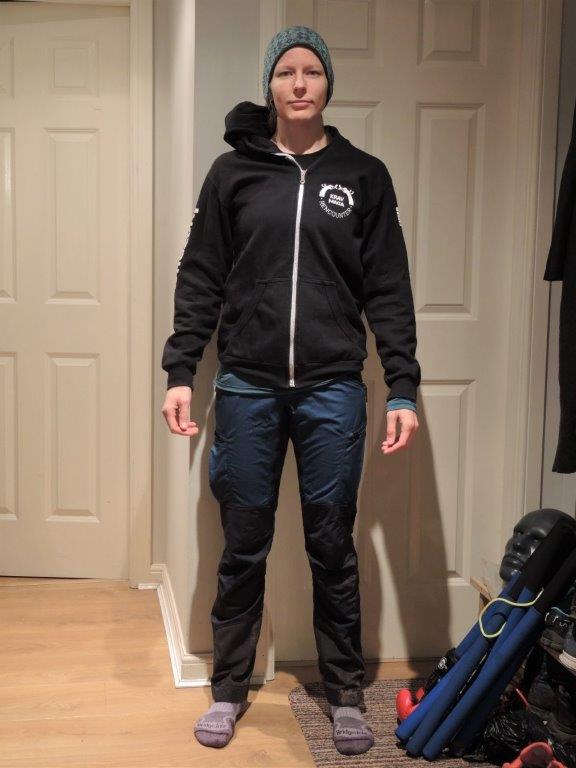
A nice cosy hoodie or jumper to keep you toasty. If you start off wearing your hoodie, do the warm-up and find you’re warm enough, you can take it off to continue training, and pop it back on for the cool-down stretches. (It’s best to put it back on before you have actually cooled down. Once you stop moving, body temperature can drop quite quickly, so don’t get cold!)
Outer layers
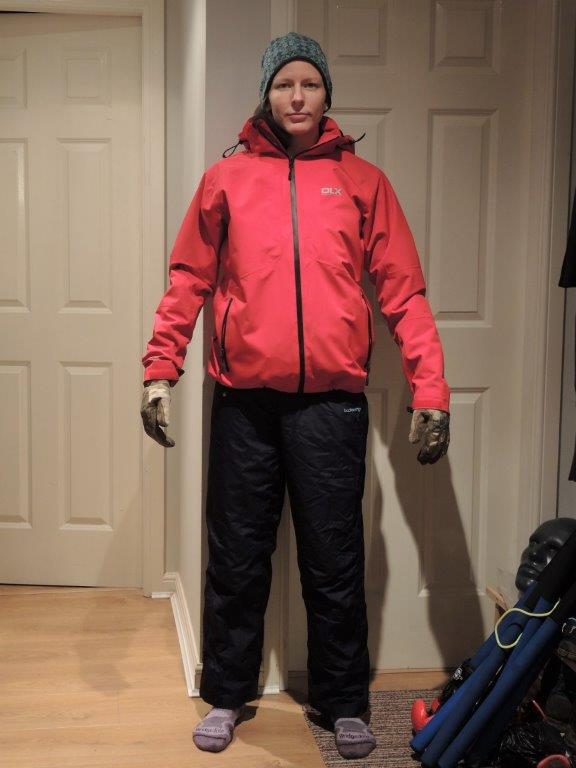
It’s good to have an outer, waterproof layer on top if it’s raining. If your hoodie gets soaked through it’s not going to keep you warm. A waterproof jacket is a must for the Scottish winter!
It may also be worth having some waterproof over-trousers to pull on over your training trousers if it’s really tipping down.
Top tip: do wear a jacket on your way to class and while you’re waiting for the class to start, it’s much easier to keep warm than start out cold and try to warm up. In Scottish terms: put yer big coat on!
Shoes:
Decent shoes will make a difference, this is one area worth spending a bit of extra money if you can afford to. Regular trainers tend not to be great in wet grass and just absorb all the water, meaning your feet are cold and wet almost as soon as class starts.
Waterproof walking shoes might be a better option - and they have a good chunky tread for keeping your grip in the mud. Fabric ones are relatively cheap and you can get a spray to help keep them waterproof.
Gore-tex trainers (these might be marketed as trail running shoes) are pricier, but a worthwhile investment (do have a look around, you might be able to find a bargain!) and will keep your feet dry for training without being too cumbersome and feeling like you’re wearing a pair of wellies.
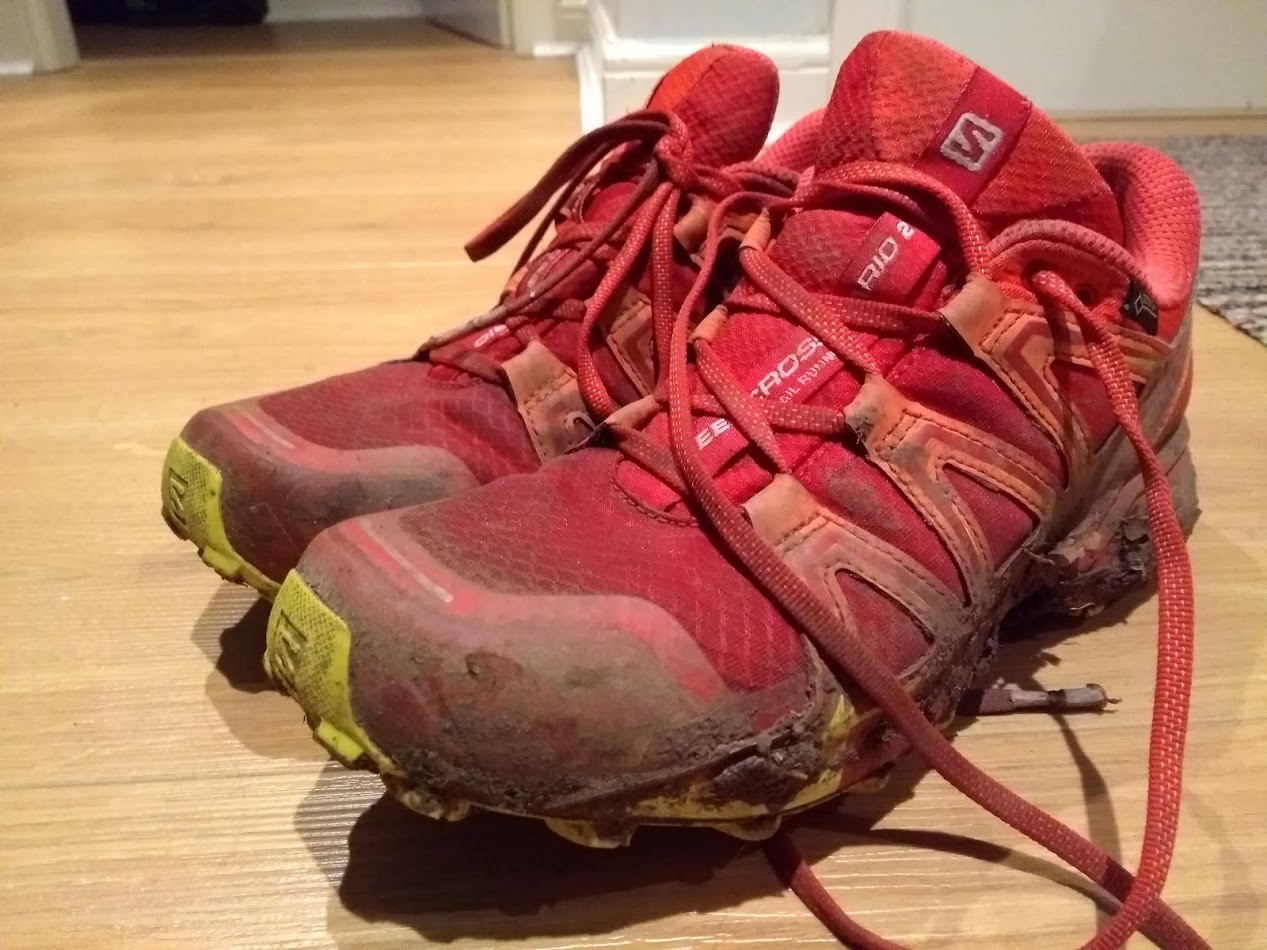 Shoes usually sold without mud. Mud will be provided in class.
We hope these tips will keep you warm through the winter and help you enjoy outdoor classes more.
Think cosy thoughts!